If your office in Orlando suddenly finds itself locked out or needing a rekey after staff changes, read on. I have spent seasons answering midnight calls, replacing cores, and training teams on what to expect when locks fail. You will get concrete scenarios, sensible price ranges, and the questions that separate a dependable 24 hour locksmith Orlando from a risky call-out. After reading, you should be able to evaluate quotes, judge response promises, and decide whether rekeying or replacing is the right move.
Why changing cores protects your shop and staff.
A simple rekey after an employee leaves can stop a small risk from turning into a security headache. Managers sometimes delay because rekeying seems cheaper than full replacement, and often it is, but there are trade-offs. In storefronts and offices with keyed-alike doors, a rekey might be limited to swapping pins in several cylinders or require replacing cores for master key consistency. Any competent emergency locksmith will test the existing hardware and explain whether that hardware should be rekeyed or fully replaced to meet your security goals.
What to expect when you call an emergency locksmith.
When you dial for an emergency locksmith at night, realistic arrival windows are often 20 to 45 minutes, with variation for distance and job queue. Clarify with the operator whether the arrival window is guaranteed, since guaranteed arrival times usually come with a premium charge. Technicians who work 24 hour shifts carry common cylinders, picks, and portable key cutting equipment, but some jobs require parts that are not stocked on the van. Access control and smart locks can slow the job and increase fees because they often need diagnostics, power, or software work beyond mechanical cylinder service.
Picking the right locksmith for office and retail security.
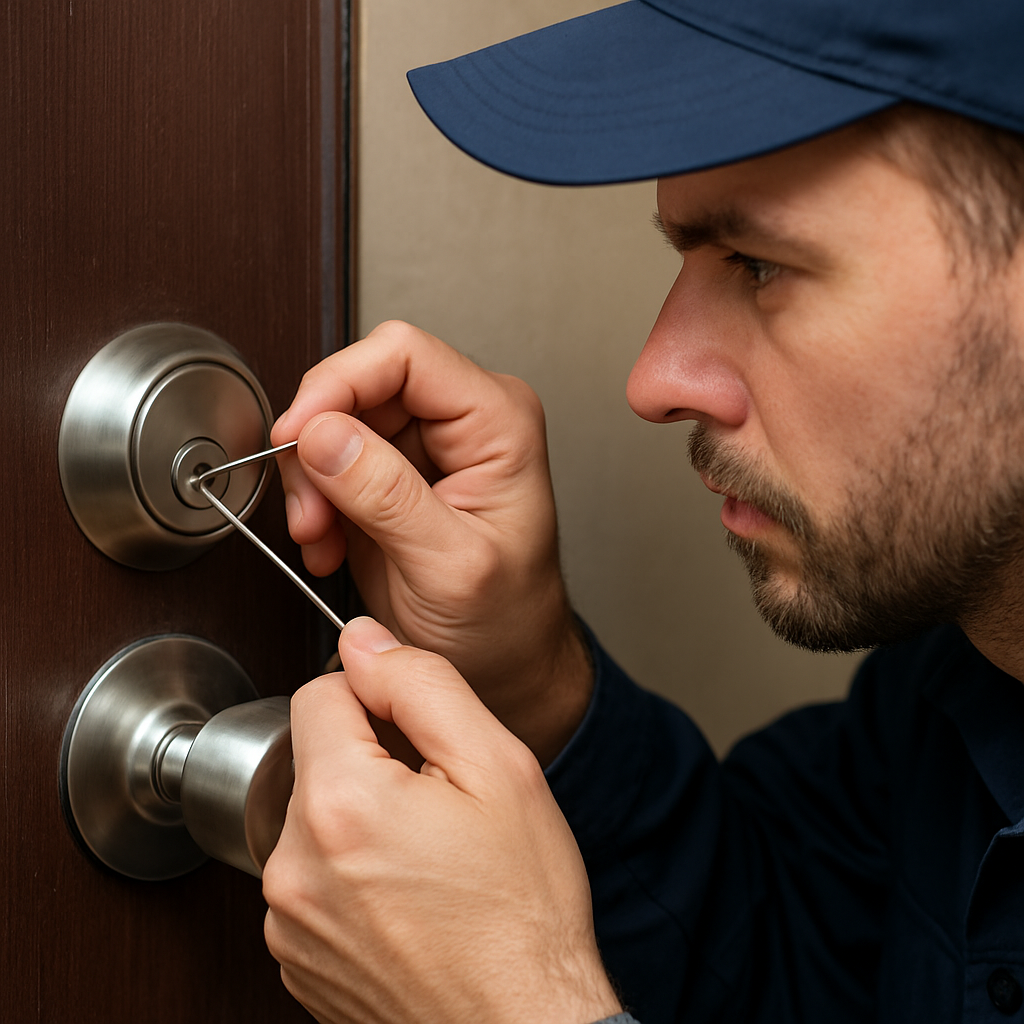
Start by asking for local references and recent commercial job examples rather than generic endorsements. Make sure the locksmith has appropriate licensing if your municipality requires it and carries liability insurance to protect against accidental damage. Good locksmiths itemize emergency fees, labor rates, and parts so you know what drives the final invoice instead of a bundled unknown total. A clear written receipt and a warranty on labor and components is a simple test of professional service and helps you avoid future disputes.
When to rekey and when to replace locks in a commercial setting.
When the cylinder hardware is serviceable and you wish to keep a master-key arrangement, rekeying tends to be quicker and cheaper than replacing everything. But if cylinders show wear, corrosion, or evidence of forced entry, swapping to new locks often makes more sense for durability and security. Expect rekey labor to be cheaper upfront for one or two cylinders, but if many doors require https://blogfreely.net/slogannljm/top-best-locksmith-near-me work the per-door gap narrows and replacement may be more economical over the long haul. If you operate a multi-tenant property, consider how access changes between tenants affect master keying and whether you need a rekeyed suite or a full core swap to secure common areas.
What the numbers mean when a locksmith gives you an estimate.
Commercial calls typically show three main costs: the on-call or emergency fee, labor per time increment, and parts or cylinder costs. A standard business-hours rekey often carries a lower call-out fee and reasonable parts charges, but night or weekend service will typically include a larger surcharge. Commercial-grade cylinders cost more than home-grade hardware, and specialized restricted-key systems increase material costs substantially. Insist on a written quote showing surcharges, mileage, and the included labor time to prevent unexpected invoice items later.
What a locksmith inspects before deciding to rekey or replace.
When a technician arrives, they identify the lock family: mortise, cylindrical, electronic, or exit hardware, since each has different rekey and repair paths. Mortise locks usually mean a longer, more detailed job and possibly unique components, while cylindrical systems are commonly rekeyed on-site from stock. If the lock is electronic, the technician checks power sources, controller models, and whether credential reprogramming or factory resets are necessary, increasing job time. Technicians commonly look for sagging doors, worn latches, and improper strike placement because addressing these issues prevents future lock problems even after rekeying.
Anecdotes from service calls - lessons learned.
There was a midnight call where an improvised key attempt had sheared a pin, turning a simple rekey into a replacement job and increasing the final cost. I have seen delays in rekeying after staff changes let an outdated key remain in circulation, leading to an avoidable security incident and emergency replacement. The lesson from these calls is simple: a smaller, planned expenditure for rekeying usually saves money and stress compared with emergency replacement or reacting to a loss. Cataloging key holders and making rekeys part of the offboarding or move-out checklist reduces the chance that an outdated key causes an after-hours crisis.
Upgrading locks to reduce unauthorized duplication.
Patented restricted key systems limit duplication because only approved locksmiths can produce copies, which is valuable for locations with valuable inventory or sensitive data. Be aware that restricted systems carry higher upfront costs and administrative overhead since you must track key issuance and follow the supplier's authorization process. Upgrading to high-security cylinders improves resistance to picking and forced entry, making them attractive for businesses that handle cash, medicine, or sensitive records. A local Orlando locksmith can show you compatible options and help evaluate whether the incremental benefit justifies the cost in your specific location and industry.
Preparing your team for lock events and making smart vendor relationships.
Designate one person to control key distribution and keep an updated list of key holders so you can act quickly when rekeys or lockouts occur. A consistent locksmith partner learns your systems and can often resolve issues more quickly than a new technician unfamiliar with your setup. Train staff on basic lockout protocols and on how to protect sensitive keys, since many incidents stem from loose key control not hardware failure. Also require written confirmation for any changes to master keys or core swaps so you retain traceability for audits and insurance inquiries.
Quick questions to ask before authorizing rekey or emergency service.
Determine if the problem is mechanical or electronic up front since electronic systems typically require more time and different expertise. Request a written estimate that separates dispatch fees, labor increments, parts, and any after-hours surcharges so you avoid surprises. Ask about warranties on parts and labor, the company's licensing and insurance, and whether they offer service records for future audits. For frequent rekeys consider negotiating scheduled rates or a maintenance plan to stabilize costs and secure priority response.
If you keep these points in mind, you can find a reliable, local, and transparent Orlando locksmith suited for commercial rekey and emergency lockout needs. A practical strategy reduces expense and operational interruption when emergencies or rekeys arise. Engage a reliable technician, insist on written documentation, and prioritize key management to maintain security and let your team focus on day-to-day operations.